
Can You Learn Magic on YouTube? The Surprising Answer.

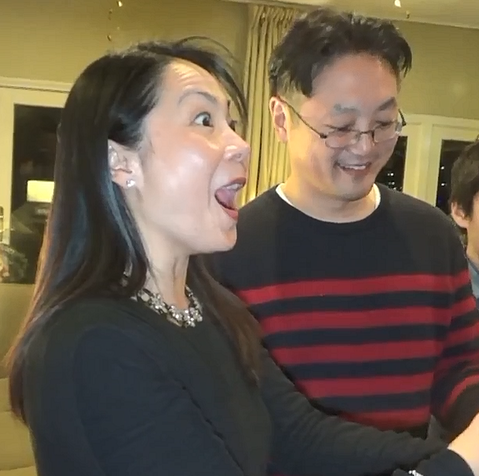
The Magic of Joe Ferranti A woman looks on in shocked surprise as Boston magician Joe Ferranti performs his signature birthday card trick
The Magic Surprise brought to you by Boston Magician Joe Ferranti

“People often ask whether you can really learn magic on YouTube, and the truth is more complicated than a simple yes or no.”

Magic Education in the Digital Age.

Are books essential to learning magic? All knowledge began as word of mouth, writing followed. Books are part of your education. But let’s look at our “student” of magic in the 21st century, compared to my day in the latter part of the 20th century.
 
Where do our next generation of magicians go to learn the secrets of magic…the library? That’s what I did. Books and sharing by word of mouth was all I had. It was enough to  a child
 
Videos on the internet began in 2005. The pioneers sharing magic secrets were often amateurs with little or no talent. (Amateur magicians have often contributed excellent material as well as invention of every style of magic.) Alex Elmsley was a computer programmer by day but was also a major contributor to card magic. 

VHS tapes were cutting-edge.

 
So, the first contributors to the field of magic on YouTube were hit or miss. I always advised the younger magicians to consider the classic books and video learning as well. However, VHS Tapes were cutting-edge, and DVDs were not far behind. Today, downloadable videos are readily available from online magic dealers, and the DVDs are fading into the sunset.
 

Technology Turns Learning Onto its Head.

 
Today, you can learn a lot on YouTube from extremely talented magicians, and much of it is free. What’s not to like? I will not give endorsements, tread carefully. You will find good instructions, poor and wasteful advice. Some is simply exposure of content that the “uploader” has no right to share.
Knowledge Based on Real World Experience.
 YouTube has come a long way since its inception. That is the upside. However, I see a shortcoming in that we lose the history of techniques and often neglect proper credit to the original inventors. I know some don’t care, as their interest is only to learn a few tricks.
 

Magic on TV Rockets Magic Popularity.

 
David Blaine’s “Street Magic” aired in April 1997. It was a new presentation style which captivated a new audience of young magicians. Soon after, they started “naming” the tricks he performed as David Blaine’s blah, blah, blah. (No judgment here, just the way things work.) One of the most popular became known as the Two Card Monte. Although it was a presentation of a trick from the 70’s by Eddie Fechter, titled “Be Honest What Is It?”

David Blaine’s Variation Becomes the Standard.
 
David certainly deserved credit for his personalization of the trick. In fact, his influence brought immediate copycats to his style. However, it surprised some magicians who had the trick in their libraries and had passed it by. It was hiding in a book by Eddie Fecther. (Magician Nitely, The Magic of Eddie Fechter by Jerry Mentzer) You can see Pop Haydn performing it, not as the Two Card Monte but as ‘Be Honest What is It?” 
 
David also performed a levitation effect. However, there was a little controversy amongst magicians, which is of no importance now. Suffice to say, the trick had been around for a long time, known as The Balducci Levitation. Kudos to David for recognizing the power of a simple parlor stunt/trick. 
There was no deceit from David. He just found a new audience who appreciated his style and stunned them with some of the old classics of magic. his performance of the “Invisible Deck” annoyed many magicians as they had the special deck tossed away in a drawer.

Final Analysis: YouTube as a Steppingstone

This is only my opinion, shaped by years of learning, from multiple formats and most of all performing a lot. When I was younger, I treated the advice of highly regarded magicians as absolute truth. If a “master” said something, I assumed it was carved in stone. But as I grew, I discovered that even the best minds in magic don’t have perfect answers. Their guidance is valuable, but it isn’t universal.

There are no ultimate rules in magic. If you treat every piece of advice as gospel, you risk becoming a puppet—repeating someone else’s thinking instead of developing your own. Magic thrives on individuality. The moment you start parroting the master’s instead of interpreting them, you may unintentionally stifle your own talent.

Seek out the knowledge of great magicians. Study their work, absorb their insights, and learn from their experience. But don’t surrender your creative judgment. The real growth happens when you take what you’ve learned and shape it into something that fits your voice, your style, and your audiences.

Invisible Sleight of Hand

Also, if you decide to perform close-up. sleight of hand magic you will need to practice more hours than you can imagine. There are only a handful of “easy tricks” that will fit in the repertoire of a working magician. You cannot carry around 10 decks of cards each in a special order.

Your sleights need to be performed with impunity and, no one should be able to detect or suspect a thing. This not accomplished solely by skill of the hands, but in combination of psychology…”tension and relaxation.” To be in the big leagues you will need to palm cards, hold out, side steal, double lift, an occasional shift, control cards…and more as your repertoire requires.

You will need to work “From a shuffled deck in use.” FASDIU coined by Paul Cummins. And yes, there is a place for partial stacks and full deck arrangements. Remember there isn’t one universal rule.

And if your goal is to excel—whether as a professional or a serious semi‑pro, you will not find your material on YouTube. You will likely find the best material from an online magic store. There are physical products as well as downloads. This will feel like a “maze” because it is.

Choosing magic material / How to choose magic tricks

It’s not free, and it’s not simple. But it’s the difference between doing “tricks” and building a repertoire that elevates your performance to a professional level. When real people spend real money, what you perform is paramount. If you’ve read this far you have found your way to internet magic shops. The “candy store” for magicians, you will want it all, you will buy much that you will never use. They sell “miracles”…miracles don’t exist. More often than not you will be told or shown a demo that appears miraculous, since it is not a miracle, there is a method. Methods often restrict where and conditions under which you can perform your “miracles.”

Final Thoughts:

Magic is a lifelong pursuit, not a destination. YouTube can spark curiosity, but true growth comes from study, practice, and reflection. As you explore, remember that every magician’s path is unique — shaped by choices, mistakes, and discoveries. Take advice, but test it. Learn from the masters, but don’t lose your own voice.

If you’ve made it this far, you already understand that magic isn’t just about tricks — it’s about transformation. Keep learning, keep questioning, and most of all, keep performing.

“That’s enough philosophy for one day — time for me to get back to the cards.”


Joe Ferranti
339-927-4710
The Magic of Joe Ferranti Joe Ferranti Boston Magician
Joe ferranti

Joe Ferranti is a seasoned close-up magician based in Boston, Massachusetts, with over 30 years of experience in sleight-of-hand and psychological illusion. Known for his engaging walk-around magic and intimate parlor shows, Joe blends humor, charm, and mind-bending effects to create unforgettable moments at weddings, corporate events, and private parties2. His performances leave guests laughing, amazed, and questioning what’s possible—one trick at a time.